
Turn a place into a set.
A Gaussian-splat workflow can turn a location capture into a space to scout and plan within. Here, the point-cloud treatment is a visual illustration, not a loaded 3D scene.
Bring actor identity, voice, place, blocking, and camera language into one production flow. Move from an idea to a shot plan, then shape the cut with its creative intent intact.
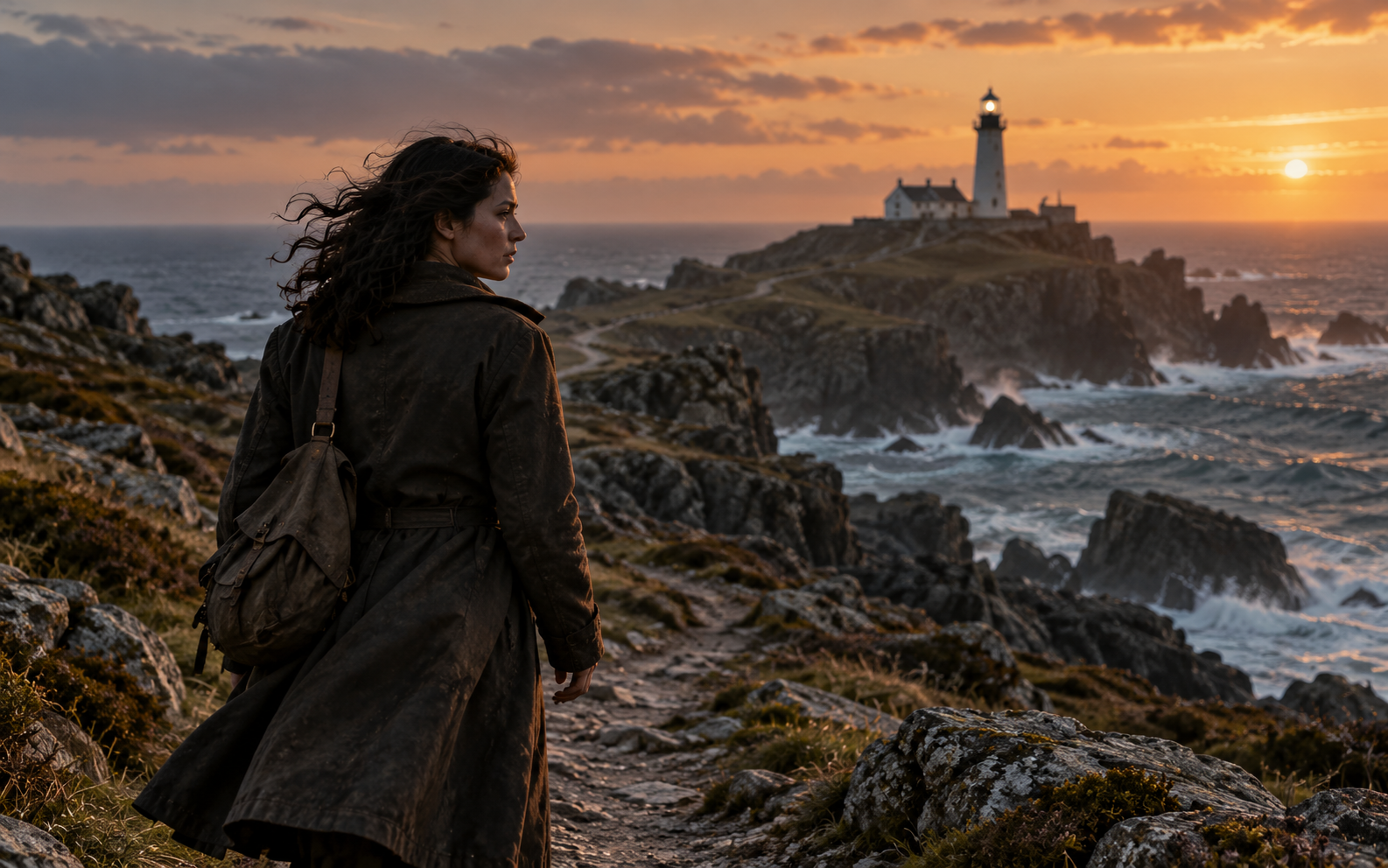
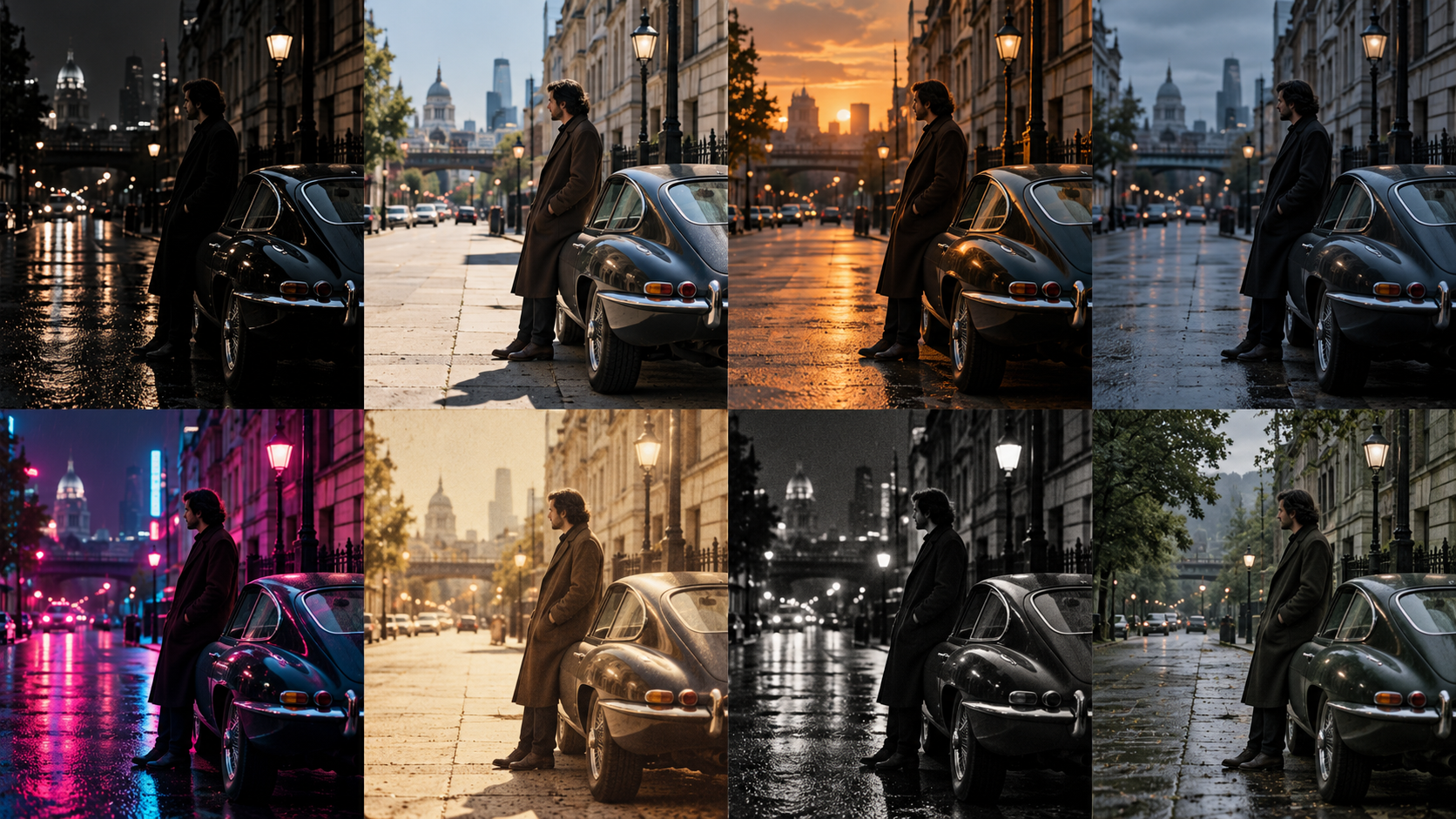
Explore a visual study of a lighthouse scene. Switch the reference, lens, or director overlay to see how a shot brief can connect image, place, and camera intent.
i These controls demonstrate shot-planning concepts. They do not generate footage or perform a live 3D scan.
Six departments. One shared creative context. Each stage hands useful decisions to the next.
Build a character bible from approved references: face, hair, wardrobe, mannerisms, and continuity notes. Keep the visual direction beside voice, dialogue, and performance choices.
“The light has been out since the storm. Someone knows why.”
Connect location capture and spatial reconstruction with actor marks, camera positions, and the emotional reason for the move.

A Gaussian-splat workflow can turn a location capture into a space to scout and plan within. Here, the point-cloud treatment is a visual illustration, not a loaded 3D scene.
Plan the actor’s path, eyeline, screen direction, and camera coverage together. A simple overhead view makes the intended reveal legible before a take.
Review selected frames, assemble a sequence, and keep source, timing, revisions, and delivery intent connected through the handoff.
00:01:24:08 / 24 FPS STUDY
THE LAST LIGHT / SEQUENCE 04
Project and story planning, character and location references, media import, take review, local timeline editing, delivery planning, and metadata handoff.
AI provider generation, voice synthesis, 3D Gaussian scene workflows, shared cloud collaboration, native movie mastering, and automated QC.